Showing posts with label Chopper. Show all posts

Custom Choppers Motorcycle

Posted by Groove Monday, May 21, 2012 0 comments

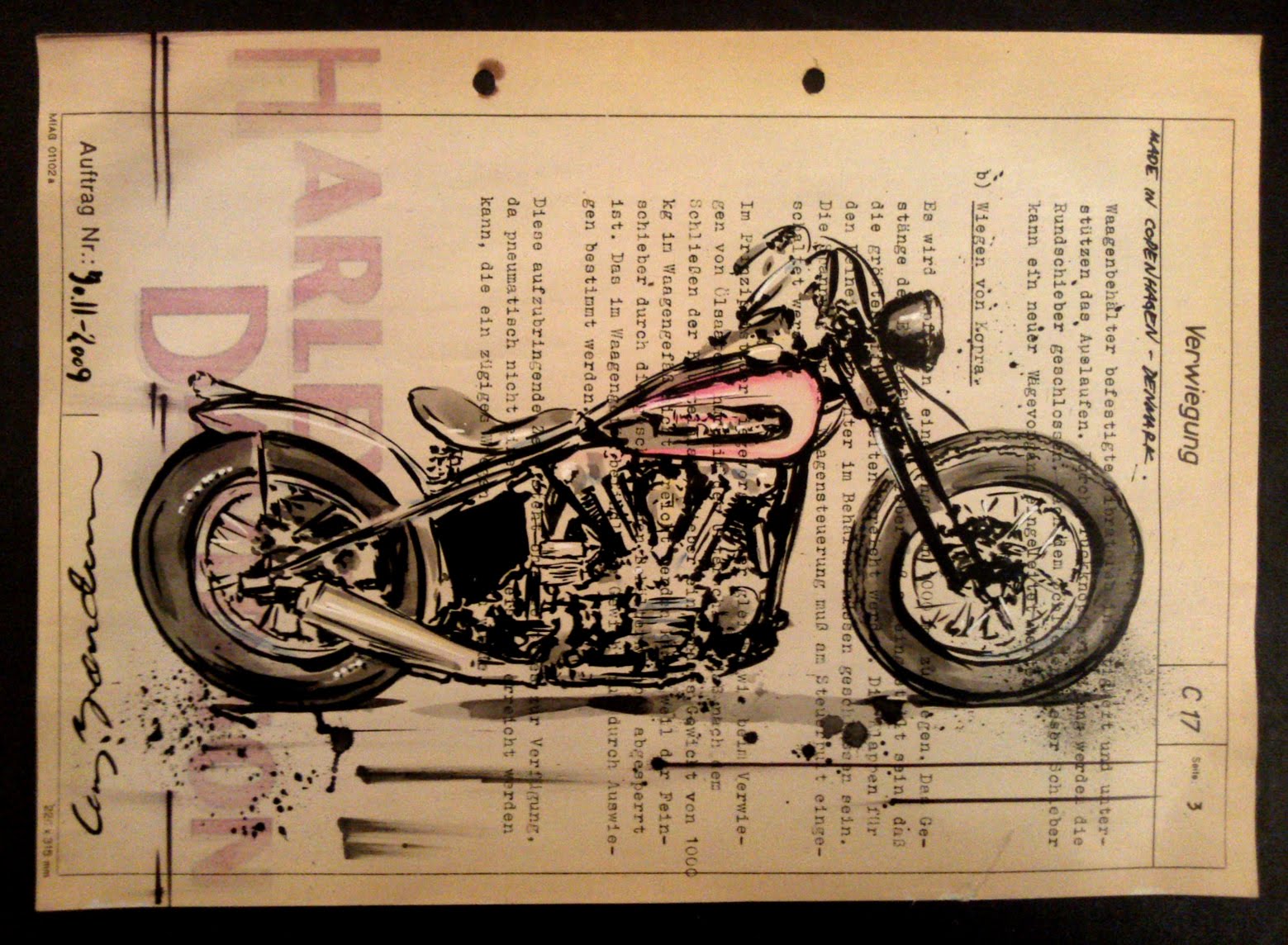
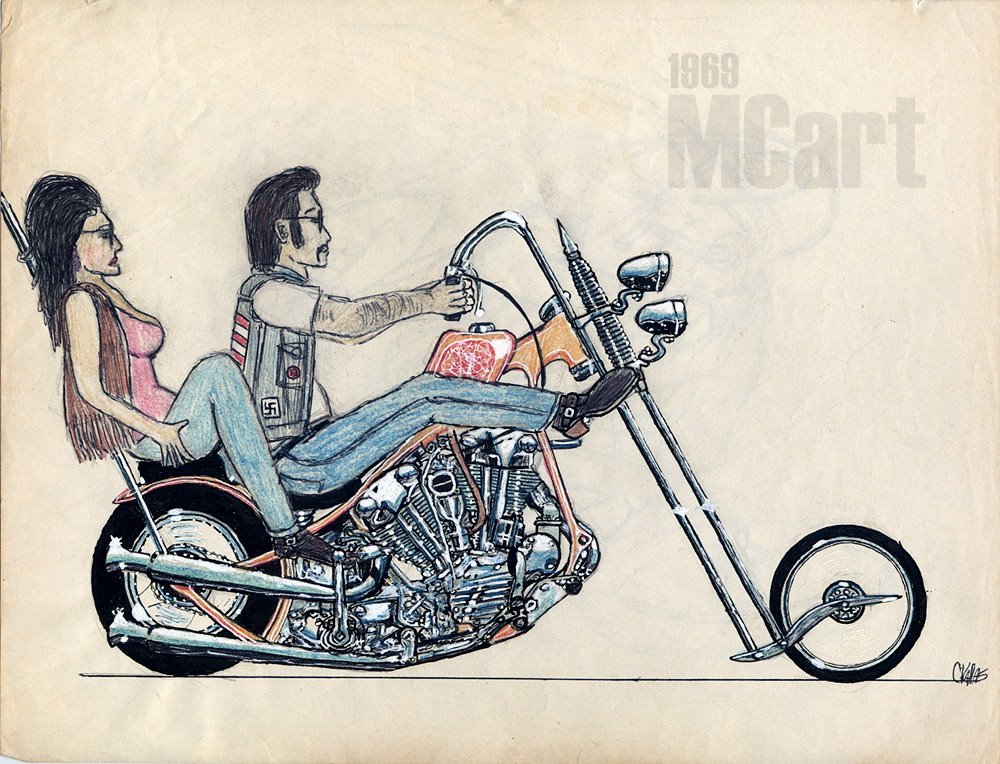
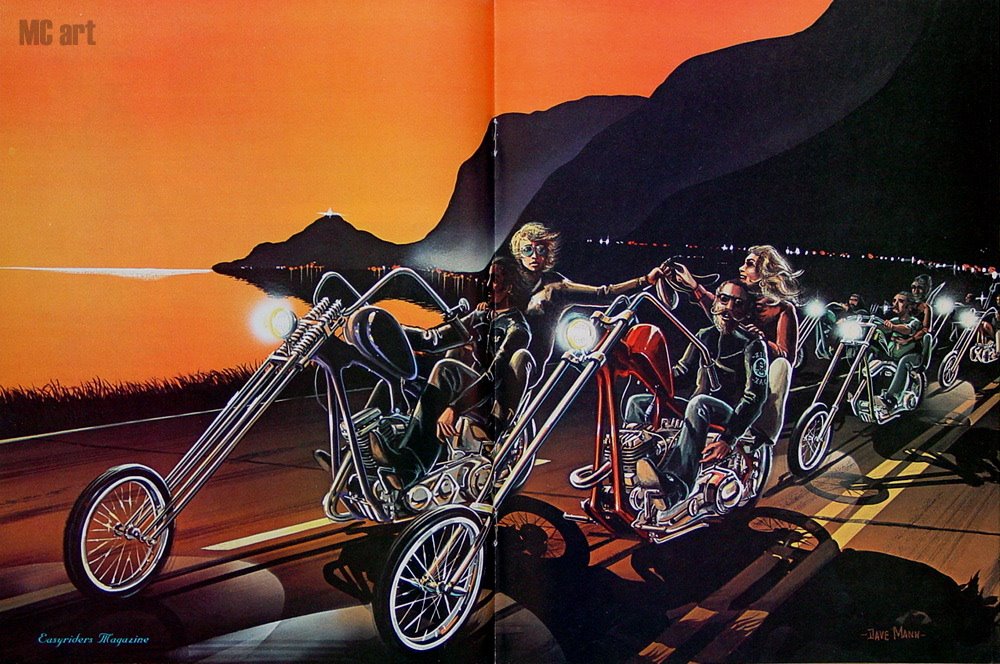
A chopper is a type of motorcycle that was either modified from an original motorcycle design ("chopped") or built from scratch to have a hand-crafted appearance. The main features of a chopper that make it stand out are its longer frame design accompanied by a stretch front end, or increased rake angle. To achieve a longer front end, while the frame is being designed, the fabricator will tilt the neck of the frame at less of an incline and install a longer fork. Another unique aspect of a chopper design is that there is usually no rear suspension meaning the frame of the motorcycle will extend from the neck (or front of the frame) all the way to the rear wheel. This can make handling the motorcycle more challenging and the ride a bit more "bumpy". These attributes may seem radical to some but are necessary for the look that is desired. One look that is becoming more popular with chopper designs is a low frame to ground clearance or a low-rider look. Well known examples of chopper designs are the customized Harley-Davidsons, the "Captain America" and "Billy Bike", seen in the 1969 film Easy Rider.

choppers, choppers motorcycle, Harley-Davidsons
Harley-Davidsons Chopper Bikes

choppers, choppers motorcycle, Harley-Davidsons
Harley-Davidsons Chopper Hot Wheels

choppers, choppers motorcycle, Harley-Davidsons
Choppers Motorcycle

Before there were choppers, there was the bobber, meaning a motorcycle that had been "bobbed," or relieved of excess weight by removing parts, particularly the fenders, with the intent of making it lighter and thus faster, or at least making it look better in the eyes of a rider seeking a more minimalist ride. An early example of a bobber is the 1940 Indian Sport Scout "Bob-Job" which toured in the 1998 The Art of the Motorcycle exhibition. Indian Scouts and Chiefs of the time came with extravagantly large, heavily valenced fenders, nearly reaching the center of the wheel on the luxurious 1941 Indian Series 441 while racing bikes had tiny fenders or none at all. The large and well-appointed bikes exemplified the "dresser" motorcycle aesthetic and providing a counterpoint to the minimalist bobber, and cafe racers. Choppers would grow into and explore the dimensions of the space between the stripped-down bobbers and weighed-down dressers.

choppers, choppers motorcycle, Harley-Davidsons
Choppers Motorcycle

choppers, choppers motorcycle, Harley-Davidsons
West Coast Choppers

choppers, choppers motorcycle, Harley-Davidsons
Thunder Choppers Bike Wallpaper

In the post-World War II United States, servicemen returning home from the war started removing all parts deemed too big, heavy, ugly, or not essential to the basic function of the motorcycle, such as fenders, turn indicators, and even front brakes. The large, spring-suspended saddles were also removed in order to sit as low as possible on the motorcycle's frame. These machines were lightened to improve performance for dirt-track racing and mud racing.

choppers, choppers motorcycle, Harley-Davidsons
Yoshi Honda Chopper

choppers, choppers motorcycle, Harley-Davidsons
Custom Choppers Motorcycle

choppers, choppers motorcycle, Harley-Davidsons
Custom Choppers Motorcycle

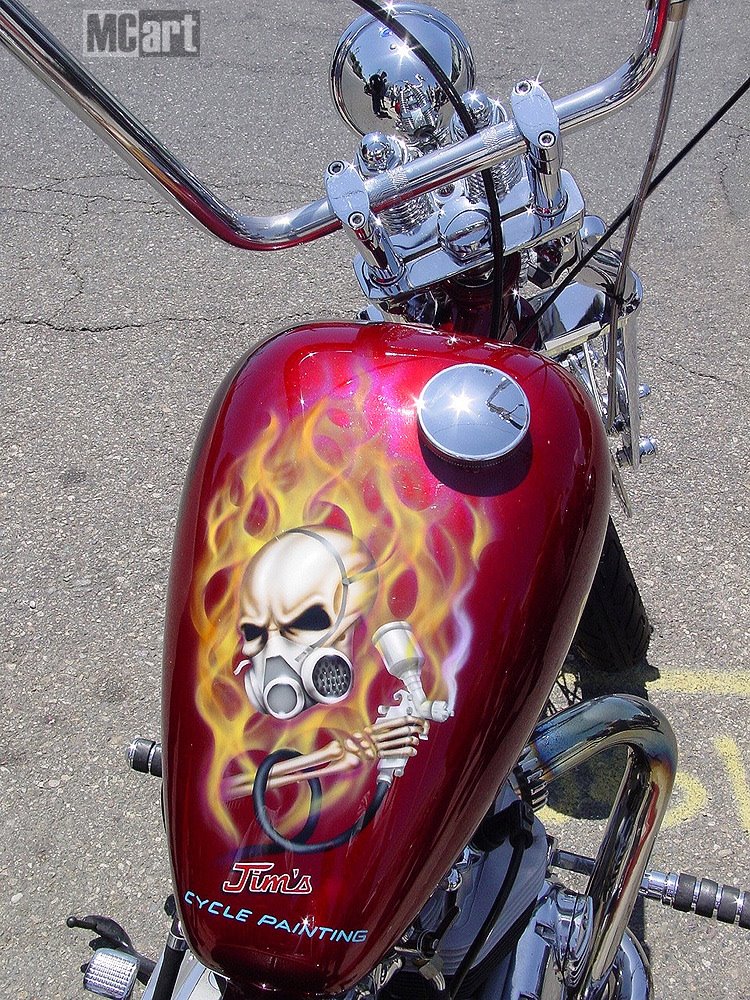
Forward-mounted foot pegs replaced the standard large 'floorboard' foot rests. Also, the standard larger front tire, headlight and fuel tank were replaced with much smaller ones. Many choppers were painted preferably all in either flat black or in shiny metal flake colors. Also common were many chromed parts (either one-off fabricated replacements or manually chromed stock parts). According to the taste and purse of the owner, chop shops would build high handle bars, or later Ed Roth's Wild Child designed stretched, narrowed, and raked front forks. Shops also custom built exhaust pipes and many of the “after market kits“ followed in the late 1960s into the 1970s. Laws required (and in many locales still do) a retention fixture for the passenger, so vertical backrests called sissy bars were a popular installation, often sticking up higher than the rider's head.

choppers, choppers motorcycle, Harley-Davidsons
Custom Choppers Motorcycle

choppers, choppers motorcycle, Harley-Davidsons
Boneshaker Chopper Sideburn

choppers, choppers motorcycle, Harley-Davidsons
Motorsports Chopper Bike

While the decreased weight and lower seat position improved handling and performance, the main reason to build such a chopper was to show off and provoke others by riding a machine that was stripped and almost nude compared to the softer-styled stock Harley-Davidsons, let alone the oversized automobiles of that time.

Motorcycle Art

Posted by Groove Saturday, August 20, 2011 0 comments

These motorcycle prints will make a perfect gift for any 2-wheel enthusiast, or for that matter, to adorn your own walls. The original oil paintings were done over the past twelve years, and more pictures will be added as they are completed. In addition, I have also created dozens of digital images of modern sportsbikes to choose from. As time goes by my artwork will build into a unique record of a century of golden motorcycling memories. My intention is, as always, to create the best examples of motorcycle art currently available. This is your source for fine art and limited edition prints. You'll find a wide selection of motorcycle art, classic car art, hot rod art, and Harley-Davidson® motorcycle art as well as a Gift Gallery. Every effort is made to reproduce the original as true as possible on these pages. Given the limitations of electronic images, the original will always be brighter and with better color than you see here.

motorcycle art

motorcycle art

motorcycle art

motorcycle art

motorcycle art

motorcycle art

motorcycle art

motorcycle art

motorcycle art

motorcycle art

motorcycle art

motorcycle art

motorcycle art

motorcycle art

motorcycle art

motorcycle art

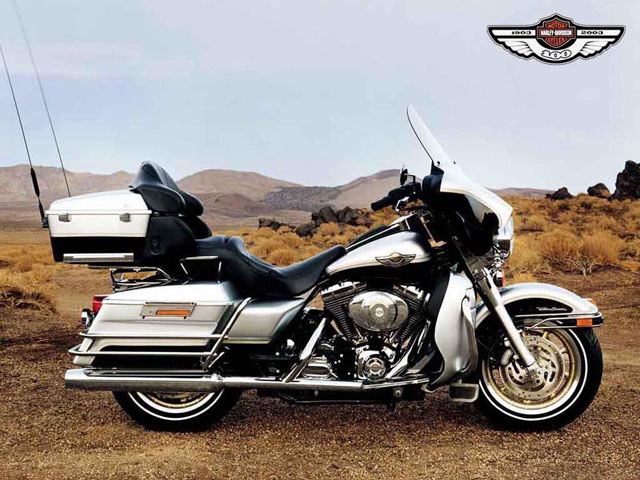
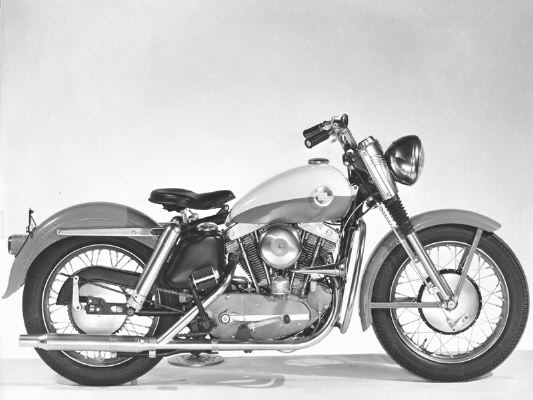
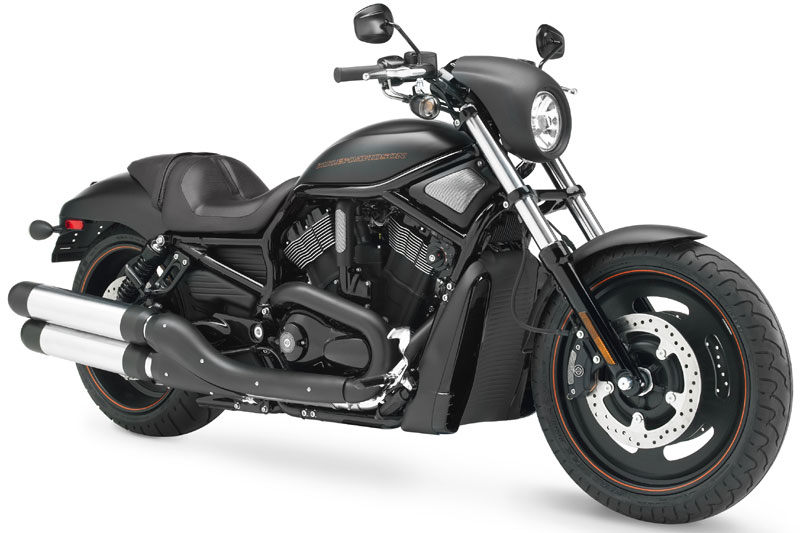
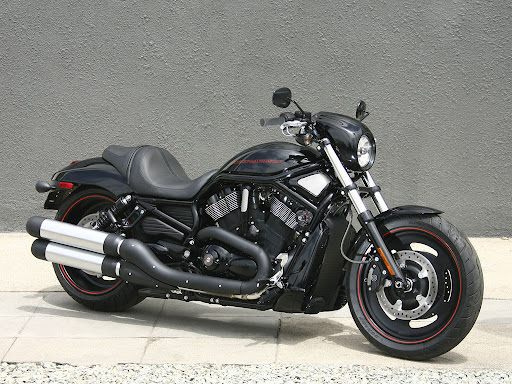
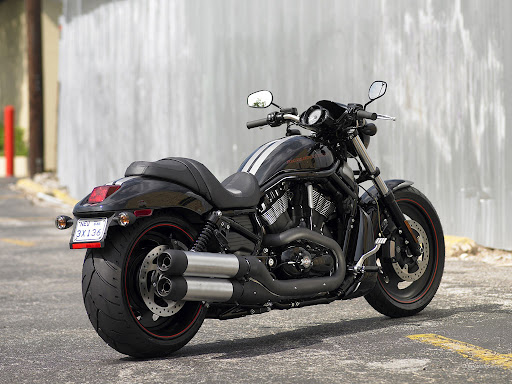
Harley-Davidson , often abbreviated H-D or Harley, is an American motorcycle manufacturer. Founded in Milwaukee, Wisconsin, during the first decade of the 20th century, it was one of two major American motorcycle manufacturers to survive the Great Depression. Harley-Davidson also survived a period of poor quality control and competition from Japanese manufacturers. The company sells heavyweight (over 750 cc) motorcycles designed for cruising on the highway. Harley-Davidson motorcycles (popularly known as "Harleys") have a distinctive design and exhaust note. They are especially noted for the tradition of heavy customization that gave rise to the chopper style of motorcycle. Except for the modern VRSC model family, current Harley-Davidson motorcycles reflect the styles of classic Harley designs. Harley-Davidson's attempts to establish itself in the light motorcycle market have met with limited success and have largely been abandoned since the 1978 sale of its Italian Aermacchi subsidiary. Harley-Davidson sustains a loyal brand community which keeps active through clubs, events, and a museum. Licensing of the Harley-Davidson brand and logo accounted for $40 million (0.8%) of the company's net revenue in 2010.
harley davidson, harley motorcycle

harley davidson, harley motorcycle

In 1901, William S. Harley, age 21, drew up plans for a small engine with a displacement of 7.07 cubic inches (116 cc) and four-inch (102 mm) flywheels. The engine was designed for use in a regular pedal-bicycle frame. Over the next two years, Harley and his childhood friend Arthur Davidson labored on their motor-bicycle using the northside Milwaukee machine shop at the home of their friend, Henry Melk. It was finished in 1903 with the help of Arthur's brother, Walter Davidson. Upon completion, the boys found their power-cycle unable to conquer Milwaukee's modest hills without pedal assistance. Will Harley and the Davidsons quickly wrote off their first motor-bicycle as a valuable learning experiment. Work immediately began on a new and improved second-generation machine. This first "real" Harley-Davidson motorcycle had a bigger engine of 24.74 cubic inches (405 cc) with 9.75 inches (25 cm) flywheels weighing 28 lb (13 kg). The machine's advanced loop-frame pattern was similar to the 1903 Milwaukee Merkel motorcycle (designed by Joseph Merkel, later of Flying Merkel fame). The bigger engine and loop-frame design took it out of the motorized-bicycle category and would help define what a modern motorcycle should contain in the years to come. The boys also received help with their bigger engine from outboard motor pioneer Ole Evinrude, who was then building gas engines of his own design for automotive use on Milwaukee's Lake Street.

harley davidson, harley motorcycle

harley davidson, harley motorcycle

The prototype of the new loop-frame Harley-Davidson was assembled in a 10 × 15 ft (3.0 × 4.6 m) shed in the Davidson family backyard. Most of the major parts, however, were made elsewhere, including some probably fabricated at the West Milwaukee railshops where oldest brother William A. Davidson was then toolroom foreman. This prototype machine was functional by September 8, 1904, when it competed in a Milwaukee motorcycle race held at State Fair Park. It was ridden by Edward Hildebrand and placed fourth. This is the first documented appearance of a Harley-Davidson motorcycle in the historical record.

harley davidson, harley motorcycle

harley davidson, harley motorcycle

In January 1905, small advertisements were placed in the "Automobile and Cycle Trade Journal" that offered bare Harley-Davidson engines to the do-it-yourself trade. By April, complete motorcycles were in production on a very limited basis. That year, the first Harley-Davidson dealer, Carl H. Lang of Chicago, sold three bikes from the dozen or so built in the Davidson backyard shed. (Some years later the original shed was taken to the Juneau Avenue factory where it would stand for many decades as a tribute to the Motor Company's humble origins. Unfortunately, the first shed was accidentally destroyed by contractors in the early 1970s during a clean-up of the factory yard.) In 1906, Harley and the Davidson brothers built their first factory on Chestnut Street (later Juneau Avenue). This location remains Harley-Davidson's corporate headquarters today. The first Juneau Avenue plant was a 40 × 60 ft (12 × 18 m) single-story wooden structure. The company produced about 50 motorcycles that year.

harley davidson, harley motorcycle

harley davidson, harley motorcycle

In 1907, William S. Harley graduated from the University of Wisconsin–Madison with a degree in mechanical engineering. That year additional factory expansion came with a second floor and later with facings and additions of Milwaukee pale yellow ("cream") brick. With the new facilities production increased to 150 motorcycles in 1907. The company was officially incorporated that September. They also began selling their motorcycles to police departments around this time, a market that has been important to them ever since. Production in 1905 and 1906 were all single-cylinder models with 26.84 cubic inches (440 cc) engines. In February 1907 a prototype model with a 45-degree V-Twin engine was displayed at the Chicago Automobile Show. Although shown and advertised, very few V-Twin models were built between 1907 and 1910. These first V-Twins displaced 53.68 cubic inches (880 cc) and produced about 7 horsepower (5.2 kW). This gave about double the power of the first singles. Top speed was about 60 mph (100 km/h). Production jumped from 450 motorcycles in 1908 to 1,149 machines in 1909. By 1911, some 150 makes of motorcycles had already been built in the United States – although just a handful would survive the 1910s.
harley davidson, harley motorcycle

harley davidson, harley motorcycle

In 1911, an improved V-Twin model was introduced. The new engine had mechanically operated intake valves, as opposed to the "automatic" intake valves used on earlier V-Twins that opened by engine vacuum. With a displacement of 49.48 cubic inches (811 cc), the 1911 V-Twin was smaller than earlier twins, but gave better performance. After 1913 the majority of bikes produced by Harley-Davidson would be V-Twin models. By 1913, the yellow brick factory had been demolished and on the site a new 5-story structure of reinforced concrete and red brick had been built. Begun in 1910, the red brick factory with its many additions would take up two blocks along Juneau Avenue and around the corner on 38th Street. Despite the competition, Harley-Davidson was already pulling ahead of Indian and would dominate motorcycle racing after 1914. Production that year swelled to 16,284 machines.

harley davidson, harley motorcycle

harley davidson, harley motorcycle

harley davidson, harley motorcycle

harley davidson, harley motorcycle

harley davidson, harley motorcycle

Best Custom Motorcycle

Posted by Groove Friday, August 19, 2011 0 comments

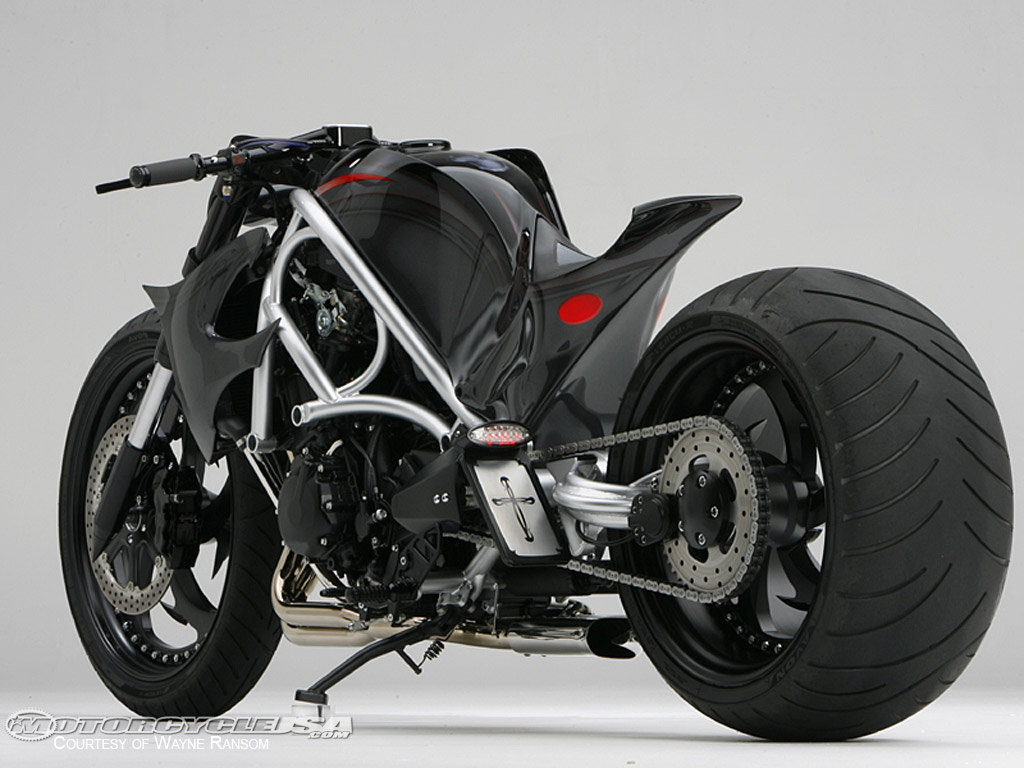
A custom motorcycle is a motorcycle that is highly stylized or which treats aspects such as frame geometry, engine design, or paintwork in an unusual way compared to standard manufacturing. Custom motorcycles are unique or individually produced in a very limited quantity, as opposed to "stock" bikes or "stockers," which are mass produced. In the 1990s and early 2000s, very expensive customs such as those built by Orange County Choppers, Jesse James's West Coast Choppers, Roger Goldammer or Ian Barry's Falcon Motorcycles, became fashionable status symbols. There are also companies that are bringing back pin striping, such as Kenny Howard (also known as Von Dutch) and Dean Jeffries from the 1950s, with a continued effort to keep pin striping alive. The choppers of the 1960s and 1970s fit into this category. Some motorcycle manufacturers, such as Harley-Davidson and Honda, include the word "custom" as part of a model name. The factory custom segment has become the most visible in the custom industry in recent years. The original factory custom was the 1971 Harley-Davidson Super Glide, designed by Willie G. Davidson, which, imitating the custom scene of the time, combined the fork from a Sportster with the frame and engine of a big twin Electra Glide, thereby founding a style imitated by many other manufactures ever since.

Custom Motorcycle

Higher volume producers like American IronHorse, Bourget, Big Dog and BMC build custom motorcycles that also must meet basic safety requirements set by the US Department of Transportation. Factory customs allow the buyer to select from a wide range of options, paint styles, engine sizes and accessories while still having the confidence, support, warranty and finance options that typically are associated with major production manufacturers. Factory customs typically do not offer the total individuality of a home built bike or a "one off custom", but they share much of the appeal that comes with a custom bike and many of the benefits of a factory production motorcycle.

Custom Motorcycle

Custom Motorcycle

Custom Motorcycle

Custom Motorcycle

Custom Motorcycle

Custom Motorcycle

Custom Motorcycle

Custom Motorcycle

Custom Motorcycle